
In the world of heavy machinery, the line between a smart investment and a costly mistake often comes down to reliability. We’ve all seen it: a contractor picks up a machine at a “too good to be true” price, only to have it sitting behind the shop waiting on a parts shipment for three weeks out of the month. Downtime is the enemy of profit. When you are running a crew, you need iron that starts every morning, digs hard all day, and doesn’t complain.
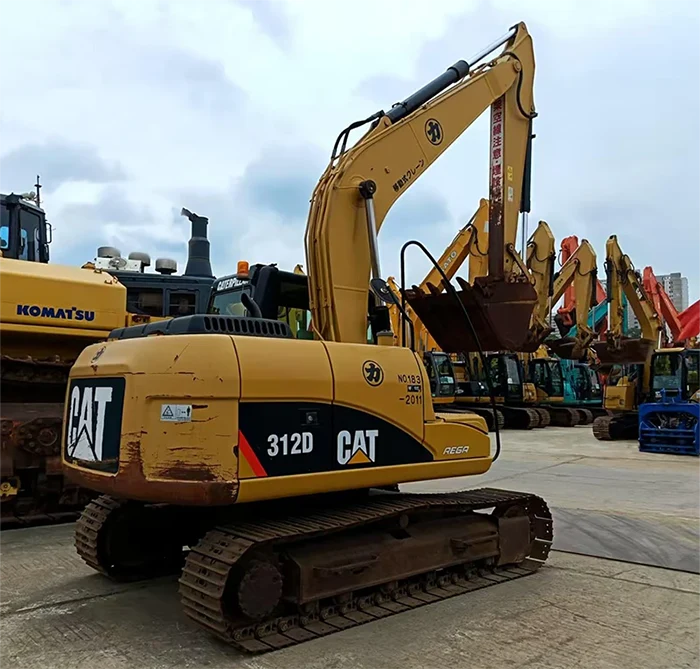
That’s why, even years after it rolled off the assembly line, the CAT 312D remains one of the most sought-after machines in the compact excavator class. Walk onto any mixed-use development site or a residential street job, and you’re likely to see the familiar yellow silhouette of a 312D digging trenches or loading out spoil.
Here at HanJue Machinery, we handle a lot of used equipment. We see the good, the bad, and the ugly. And when a well-maintained 312D comes through our lot, it rarely sits for long. There is a reason for that.
This isn’t just a marketing pitch; this is a deep dive into why this specific model has earned its reputation, what you need to look for when buying one used, and why it might be the perfect addition to your fleet.
The Legacy of the “D” Series: What Makes It Special?
Before we get into the specifics of buying used, we need to talk about lineage. Caterpillar’s “D” Series represented a maturation of the hydraulic excavator design. It wasn’t a radical, untested experiment; it was a refinement of everything that worked in the C Series.
The 312D fits into that sweet spot of the excavator market: the 12-14 metric ton class. It’s light enough to be trailerable without a permit in many regions (depending on your trailer setup), yet heavy enough to handle serious digging and grading tasks that a mini-excavator simply can’t manage.
The Heart of the Matter: The Engine
Most CAT 312D excavators are powered by the Cat C4.4 engine. If you are familiar with Cat powerplants, you know the C4.4 is a legend. It’s a turbocharged, four-cylinder diesel that is known for two things: fuel efficiency and stubborn reliability.
Unlike some newer models that are strangled by complex emission systems (DPF filters, DEF fluid), many 312D models operate with a more straightforward mechanical or electronic management system that skips the massive aftertreatment headaches. This is a huge selling point for used buyers. You get the power—usually around 90 horsepower—without the constant worry of sensors failing or filters clogging.
Hydraulic Finesse and Power
The hydraulic system on the 312D is where Caterpillar’s engineering really shines. It utilizes a load-sensing hydraulic system. In simple terms, this means the machine doesn’t waste fuel. It only uses the hydraulic flow and pressure that is required for the task at hand. If you are doing fine grading, the system is sensitive and smooth. If you need to break through hard pan or lift heavy pipe, the machine puts its full power to the ground.Operators love the pilot controls. They are responsive but not jerky. After a long day in the cab, you won’t feel like you’ve been arm wrestling. This precision translates directly to productivity—less rework, cleaner trenches, and happier operators.
Buying Used: The Smart Money vs. The Gamble
There is a massive market for used CAT 312D excavators because they are capital equipment that holds value. But buying used isn’t simply about finding the lowest price. It’s about finding the machine that has been treated with respect.
When you look at a used 312D, you aren’t just buying steel and hydraulics; you are buying the previous owner’s maintenance habits. Here at HanJue Machinery, we encourage buyers to be diligent. Here is what separates a good used 312D from a money pit.
1. The Undercarriage: The Wallet Drainer
The undercarriage is the first thing we check. On a machine this size, replacing tracks, rollers, and sprockets can run into the thousands of dollars very quickly.
Look for: Check the track tension. If it’s overly tight or loose, it indicates neglect. Look at the height of the track links. If they are sharp or hooked, the machine has seen a lot of pavement or rock work.
Listen for: When you drive the machine, listen for a “thumping” sound. That usually means a bad roller or a loose chain.
2. The Boom and Stick
The 312D features a rugged box-section boom. It’s designed to take abuse, but it’s not indestructible.
Look for: Cracks or weld repairs near the hinge pins. A little surface rust is fine, but deep gouges or fresh paint hiding fresh welds are red flags. Check the pins and bushings for excessive wear. Grab the stick and try to wiggle it. A little play is normal; a lot of play means the bushings are shot, which leads to sloppy digging.
3. The Swing Bearing and Drive Motors
A smooth swing is essential for cycle times.Test it: Swing the upper structure back and forth while on level ground. Listen for grinding noises or feel for “jerky” movements. Grease zerks should be present and used—if they are caked in old, dry grease, the machine was likely not greased daily as it should have been.
The Used CAT 312D on the Job: Versatility in Action
Why do contractors keep coming back to this model? It’s the versatility. The 312D isn’t a one-trick pony. It is the Swiss Army knife of the medium-sized job site.
Trenching and Utilities
With a standard arm length, the 312D provides excellent digging forces. It can cut a clean, straight trench for water, sewer, or drainage lines down to a respectable depth. The operator has excellent visibility to the edge of the trench, which is critical when you are laying pipe and trying to avoid cave-ins or damaging existing utilities.
Grading and Sloping
With the right operator, the 312D can grade like a dream. The hydraulics allow for feathering the controls, making it possible to put a fine finish on a subgrade. Many units come equipped with a tilting bucket or can be fitted with grading beams to handle complex slopes.
Demolition and Material HandlingOn smaller demo jobs, the 312D is a beast. Put a hydraulic thumb on the stick, and it transforms into a scrap handler. It can pull down walls, sort debris, and load lowboys or dump trucks efficiently. It’s compact enough to get into tight back yards, yet heavy enough to break up concrete slabs.
Why Buy from HanJue Machinery?
There are a lot of places to buy used iron online. You can scroll through auction sites and take your chances. But if you want a machine that you can put to work immediately, you need a partner who has done the legwork.
When we list a Used CAT 312D Excavator, we aren’t just taking pictures of a machine that came off the boat. We look at the service records. We check the fluid levels and look for signs of leaks. We run the machine through its paces to ensure the hydraulics are strong and the engine runs clean.
The link you are reading this for—that specific machine—represents our commitment to quality. We source our equipment from reliable markets, often from original owners who have maintained them properly. We understand that shipping a machine across the country or overseas is a big deal. You need to know that what arrives on your lowboy is the machine you paid for.
Transparency is Key
We don’t hide the hours. We don’t Photoshop the rust out of the picture. If a machine has a wear item that needs attention soon, we tell you. Why? Because we want you to be a repeat customer, not a one-time sale. The construction equipment world is smaller than you think. Reputation is everything.
Maintenance Tips for the 312D Owner
So, you’ve decided to pull the trigger on a used 312D. Congratulations. Now, how do you keep it running for another 10,000 hours?
1. The Daily Grease:
It sounds simple, but it’s the most violated rule. The 312D has multiple grease points on the boom, arm, bucket linkage, and swing bearing. Dirt is the abrasive that wears out pins and bushings. Grease isn’t just for lubrication; it’s for pushing contaminated dirt *out* of the joint. Do it every single day.
2. Track Tension:
On a jobsite, you’ll be going from dirt to mud to gravel. Check the track tension regularly. If it’s too tight, you’ll wear out sprockets and rollers prematurely. If it’s too loose, you’ll throw a track, which is a huge waste of time to fix.
3. Fluid and Filter Discipline:
The C4.4 engine loves clean oil. Stick to the recommended oil change intervals. Use genuine Cat filters or high-quality crossovers. Cheap filters cost you engines. Also, keep an eye on the hydraulic oil sight glass. If the oil looks milky, you have water intrusion, which is a disaster for hydraulic pumps and valves.
The Verdict
The used CAT 312D excavator is more than just a piece of machinery; it’s a business asset. It offers the perfect blend of power, size, and reliability that contractors have trusted for decades. While newer models might offer fancy joysticks and Bluetooth radios, the 312D offers what really matters: the ability to get the work done, day in and day out.
If you are in the market to expand your fleet or replace an aging machine, don’t just look at the price tag. Look at the value. A clean, low-hour 312D will hold its value and perform for years to come.
We invite you to take a closer look at our current inventory. We have a Used CAT 312D Excavator available that has been thoroughly inspected and is ready to ship. Check out the detailed specs, photos, and history by visiting the link below.
Click here to view the Used CAT 312D Excavator at HanJue Machinery
Don’t hesitate to reach out with questions. Whether you need help with logistics, financing, or just want an honest opinion about the machine, we are here to help. Let’s get you back to digging.
When reposting an article, please indicate the source:https://www.hanjuemachinery.com/why-the-used-cat-312d-excavator-still-dominates-the-job-site/