Introduction
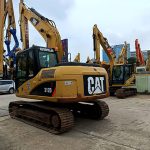
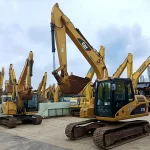
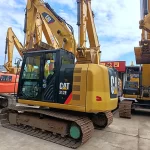
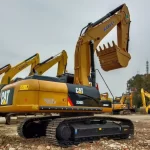
There is a reason why the CAT 312D excavator remains one of the most sought-after machines on the used equipment market. Whether you are looking at the standard 312D or the 312D L (Long Undercarriage) variant, this machine represents a sweet spot in the 12-ton class. Powered by the robust C4.2 ACERT engine, it delivers a combination of hydraulic finesse and raw digging force that many newer machines struggle to match .
However, buying a used machine is a double-edged sword. You are getting a proven piece of iron at a fraction of the cost of a new model, but you are also inheriting the maintenance habits of the previous owner. The long, productive life of a used CAT 312D doesn’t depend on luck; it depends entirely on correct, consistent servicing .If you have just acquired a used CAT 312D or are looking to tighten up your maintenance routine to prevent costly downtime, this guide is for you. We will walk through the essential maintenance protocols, from the daily walk-around to the critical 500-hour services, ensuring your 312D stays productive for thousands more hours.
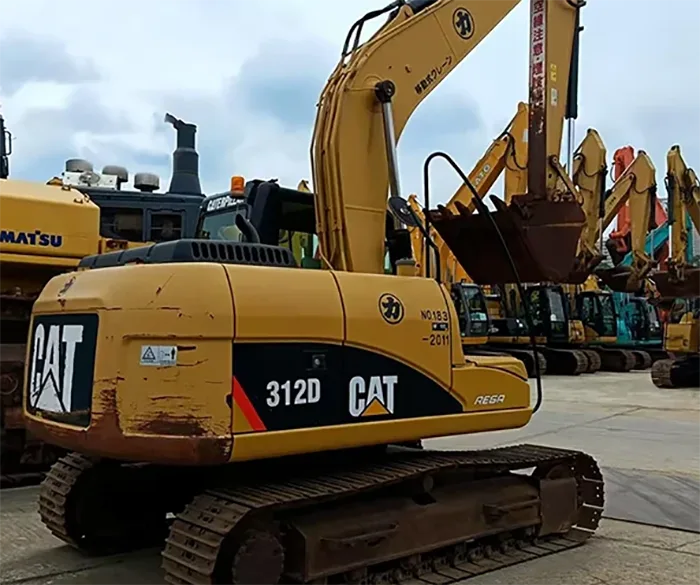
1. The Golden Rule: Know Your Machine’s History
Before you twist a single wrench, it is vital to understand that not all 312Ds are identical. The serial number prefix—such as RHL, TGY, SKA, or DLP—determines the specific configuration of your machine . If you purchased the machine without the original operation and maintenance manual, acquiring one should be your first priority. The manual contains the specific Maintenance Interval Schedule (MIS) designed by Caterpillar engineers .For the 312D, the C4.2 engine is the heart of the beast. If your machine was built to meet different emission regulations, certain service procedures may vary slightly. When in doubt, sourcing a genuine Caterpillar CAT 312D Excavator Service Repair Manual is the only way to ensure you are performing repairs to factory spec.
2. The Daily “Walk-Around” and Fluid Checks
On a used machine, small leaks that were ignored by the previous owner can become catastrophic failures for you. The daily inspection is your first line of defense.
The Cooling System
The 312D works hard, and heat is the enemy. Every morning, before starting, check the coolant level in the auxiliary tank. However, there is a safe way to do this. If the machine is hot, never just unscrew the cap; wait for it to cool down, or slowly loosen the cap to release pressure . The cooling system on these machines is robust, but it requires clean fluid. Check for signs of oil in the coolant (which could indicate a failing cooler) or dirt in the radiator fins. Compressed air or a pressure washer can be used to clean debris from the radiator and hydraulic cooler, but be careful not to bend the fins.
Engine Oil and Hydraulic Oil
The engine oil is the lifeblood of the C4.2. Check the dipstick while the machine is parked on level ground. Look for the color and consistency. Milky oil indicates water contamination. For the hydraulic system, the 312D operates with a main pump flow of around 127 L/min and pressure up to 30.5 MPa . Low hydraulic oil not only affects performance but leads to cavitation—which destroys pumps.
The Fuel System
The 312D is sensitive to fuel quality. Water is the primary contaminant. Make it a habit to open the drain valve on the bottom of the fuel tank daily to let out any water or sediment that has settled overnight . A tiny amount of water in the fuel can ruin the common rail injection system, which is an expensive repair.
3. The Art of Greasing: Pins and Bushings
One of the defining characteristics of a well-maintained used 312D is tight pins and bushings. If you test a machine and the linkage is loose, it tells you the previous owner skipped the grease gun.
The rule of thumb for the 312D is lubrication **every 10 hours** (or daily) for the front linkage. This includes:
- Bucket pins
- Stick-to-boom joint
- Boom foot pins
- Cylinder ends
Do not just pump grease until it oozes out, although on a used machine, that is a good way to push out old, contaminated grease. Pump slowly and watch for old, gritty grease to exit the seals. This process pushes contaminants out of the bearing surfaces.The swing bearing (slewing ring) is a different story. This component requires lubrication every 250 hours. Over-greasing the swing bearing can actually blow the seals out if done too frequently or with too much force. Use a high-quality lithium-based grease and rotate the upper structure while greasing to ensure even distribution.
4. Undercarriage and Track Maintenance
The undercarriage of a used 312D is often the most expensive wear component to replace. Proper maintenance here can double the life of your tracks.
Track Tension
Proper track tension is critical. Too tight, and you wear out sprockets and bushings prematurely, and you risk throwing a track. Too loose, and the track will slap, causing wear and also increasing the risk of derailment.
For the 312D, you should check the sag between the carrier roller and the front idler. Generally, you want about a fist’s width of gap between the track and the roller frame. If you are working in muddy or rocky conditions, a slightly looser track is better to prevent packing.
Sprockets and Idlers
Check the sprockets for “hooking” (sharply worn teeth). If the teeth are sharp, they will quickly destroy the bushings in the track chain. Similarly, check the front idlers for leaking seals. If you see oil leaking from the idler, it means the tension cylinder is damaged and needs immediate repair before the track loses tension completely.The final drives (travel motors) are expensive. Check the gear oil level in the final drives every 250 hours. If you find it low, inspect for leaks around the face of the drive motor. The gear oil should be changed every 500 hours for the first change, and then according to the schedule (usually every 1000 hours thereafter).
5. The 500-Hour Service Intervals
The 500-hour mark is the major service interval for the CAT 312D. If you are running your machine full-time, this will come up every few months. Keeping a logbook of these services is crucial for resale value.
Engine Oil and Filter
The C4.2 engine requires a high-quality diesel engine oil (usually 15W-40 depending on climate). At 500 hours, change the oil and the spin-on filter. A pro tip: fill the new oil filter with clean oil before screwing it on. This prevents the engine from running dry during the initial startup after the service.
Fuel Filters
The 312D has primary and secondary fuel filters. These must be changed at this interval. In the used market, if you see a machine with dark, rusty fuel filters, run away. When changing filters, always fill them with clean diesel (or use the priming pump) before installation. Never “pre-fill” them with dirty fuel from a can, as this defeats the purpose of the filter.
Hydraulic Filters
The hydraulic tank has a return filter. This should be replaced at 500 hours. However, if you are running a hydraulic hammer (breaker) on your 312D, you must change the hydraulic oil and filters twice as often. Hammers contaminate hydraulic fluid much faster than a bucket does.
Air Filter
The 312D uses a radial seal air filter. Never clean a dirty air filter with compressed air to “make it last longer.” Blowing air through a used filter can create microscopic holes that allow abrasive silica dust to enter the engine, destroying the rings and cylinders. Either tap it out gently or replace it if the restriction indicator shows red.
6. Common Issues to Watch For
Based on real-world feedback from owners and operators, the 312D is a reliable machine, but there are a few specific areas where a used unit may need attention .
Oil Leaks from Hoses
The 312D has several high-pressure hydraulic hoses that, as the machine ages, are prone to wear. Specifically, keep an eye on the hoses connecting the main pump to the control valve and the hoses near the swing motor. A small pinhole leak in a high-pressure line can inject fluid through skin, which is a medical emergency. If you see oil misting or a small drip under pressure, shut the machine down and replace the line.
Swing Bearing Play
As the machine accumulates hours, the swing bearing can develop slack. To check this, put the bucket on the ground to lift the tracks slightly. Put a pry bar between the track frame and the upper structure and see if there is any vertical movement. A little play is acceptable, but excessive movement indicates a costly bearing replacement is in the future.
Electrical and Sensor Issues
The C4.2 engine relies on sensors. If you notice intermittent power loss or the check engine light coming on, it is often a simple sensor (like the fuel pressure sensor or throttle position sensor) rather than a catastrophic engine failure. Use a diagnostic tool or have a dealer pull the codes before assuming the worst.
7. Storage and Long-Term Care
If your used 312D is going to sit for more than a month, proper storage is essential to prevent rust and seal degradation.
1. Location: Park the machine on a dry, level surface. If possible, store it indoors or under a tarp to protect the hydraulic cylinders from UV damage.
2. Positioning: Fully retract all hydraulic cylinders (bucket cylinders and stick) to protect the chrome rods from pitting due to moisture and dust.
3. Battery: Disconnect the batteries or install a trickle charger. Corroded terminals are a common issue on machines that sit idle.
4. Fuel: Fill the fuel tank completely to prevent condensation from forming inside the tank, which leads to microbial growth (diesel bug).
8. The Reality of “GC” vs. Standard Models
You may come across a 312D GC on the used market. While the GC (Global Classic) models are excellent machines and often more affordable, they are generally considered a “value” tier with slightly different components aimed at lighter-duty applications . If you plan to do heavy rock digging or use a hammer daily, the standard 312D or 312D L might be a better choice due to heavier-duty construction and different hydraulics. Knowing which variant you own dictates how aggressively you can push the machine.
Conclusion
Buying a Used CAT 312D Excavator is a solid business decision. It is a machine known for its balance of power, fuel efficiency (thanks to the C4.2 engine), and operator comfort . However, the key to unlocking the 10,000-hour lifespan that Cats are famous for lies in the maintenance.
By following a strict regimen of daily fluid checks, consistent greasing, proper track tensioning, and adhering to the 500-hour service schedule, you ensure that your machine remains reliable. A well-maintained 312D not only commands a higher resale value but, more importantly, keeps you out of the shop and on the job site where you make your money.Invest in the right service manual, use quality filters and oils, and treat your 312D with the respect it deserves. This machine was built to work hard for decades—with the right care, yours will too.
Need Help Keeping Your 312D Running?
If you are looking for specific diagnostic procedures or torque specs, ensure you have the correct Caterpillar CAT 312D Excavator Service Repair Manual for your serial number prefix. A schematic manual is also invaluable for tracing hydraulic and electrical gremlins without cutting into wire looms . Proper documentation is the cheapest insurance you can buy for your heavy equipment.
Please indicate the source when reposting the article: https://www.hanjuemachinery.com/the-essential-guide-to-used-cat-312d-excavator-maintenance/