Introduction
In the world of compact yet powerful construction machinery, few models command as much respect as the CAT 312E excavator. For contractors and earthmoving professionals seeking a balance of agility, fuel efficiency, and raw digging force, the used CAT 312E market presents an outstanding opportunity. However, purchasing a pre-owned machine is only the first step. True value lies in mastering its operation, optimizing its performance, and executing a maintenance routine that ensures longevity.
This comprehensive guide is designed to walk you through everything you need to know about operating a used CAT 312E excavator. From the first pre-start inspection to advanced digging techniques and preventive maintenance schedules, we will cover practical, real-world applications to help you get the most out of your investment.
Chapter 1: Getting to Know Your CAT 312E – Specifications and Capabilities
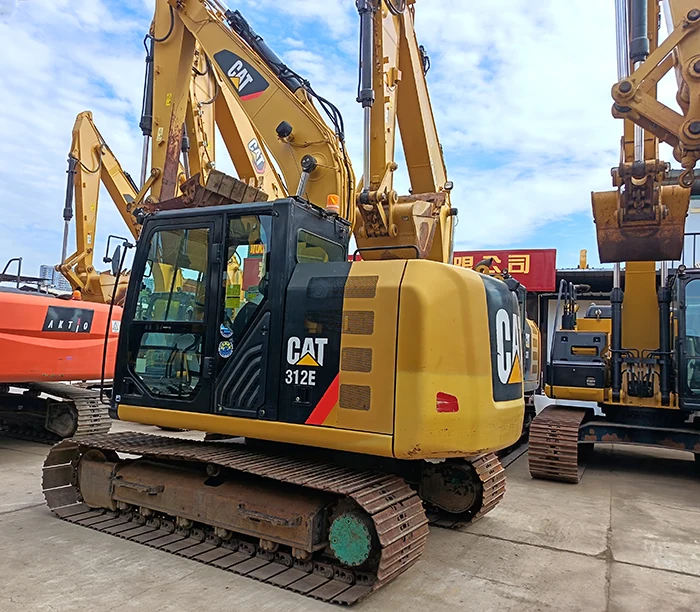
Before operating any heavy machinery, understanding its physical and performance parameters is crucial. The CAT 312E is a 12-ton class excavator renowned for its versatility. A typical used model will feature a turbocharged diesel engine that delivers a balance of power and compliance with emission standards.
Operating Weight: Approximately 12,000 – 13,000 kg
Net Power: Usually around 70-80 kW
Max Dig Depth: Ranges from 5.5 to 6 meters depending on the arm configuration
Breakout Force: High bucket and arm digging forces that rival newer models
When you acquire a used unit, it’s essential to verify these specifications against the serial number plate. Slight variations may exist based on the original configuration—such as standard arm versus long arm—which directly impacts your application strategy.
Chapter 2: The Pre-Operation Inspection – Your Safety and Reliability Checklist
With a used excavator, a meticulous pre-operation inspection is non-negotiable. Wear and tear can hide in critical areas. Follow this 10-point checklist before starting the engine daily:
1. Undercarriage Assessment: Track tension is critical. For a used CAT 312E, inspect the track shoes for wear, check for loose bolts, and ensure the idler, rollers, and sprockets are not leaking oil or showing excessive pitting.
2. Hydraulic System: Walk around the machine and inspect hydraulic hoses for abrasion, kinks, or wet spots. Even a small weep can indicate a seal failure that will worsen under load.
3. Swing Bearing & Grease Points: Check for grease around the swing bearing seal. Use a grease gun to lubricate all pivot points until fresh grease emerges. For a used machine, consistent greasing compensates for minor wear in the pins and bushings.
4. Fluid Levels: With the machine on level ground, check the engine oil, hydraulic oil, coolant, and fuel/water separator. Low levels or contamination can be early signs of underlying issues.
5. Structure & Welds: Examine the boom, stick, and bucket for any cracks or previous weld repairs. Pay special attention to the areas around the boom foot and stick-cylinder mounts.
6. Walkways & Cab: Ensure all handrails, steps, and the cab floor are free of debris, oil, or grease to prevent slips.
Chapter 3: Starting Procedure and Cab Familiarization
Modern used CAT 312E models come equipped with ergonomic controls and advanced monitoring systems.
Key Start & Idling: Turn the key to the “ON” position and wait for the glow plug indicator to extinguish in cold conditions. Start the engine and allow it to idle for 3–5 minutes. This allows hydraulic oil to warm and circulate, preventing component shock.
Monitor Panel: Familiarize yourself with the LCD screen. Key indicators include coolant temperature, fuel level, hydraulic oil temperature, and warning icons. A used machine’s service records should be cross-referenced with the hours displayed to ensure accuracy.
Joystick Control Pattern: The CAT 312E typically uses the standard ISO pattern (left joystick: swing and arm; right joystick: boom and bucket). However, used machines may have been switched to SAE pattern. Always test the controls slowly in an open area before starting work.
Chapter 4: Core Operating Techniques – Efficiency and Precision
To maximize productivity while minimizing fuel burn and component wear, adopt these advanced operating techniques:
4.1. Smooth Boom and Swing Operations
Aggressive, jerky movements waste fuel and stress the structure. Use the “power” mode only when necessary; for general digging, use the “standard” or “economy” mode. Simultaneous operations—such as swinging while curling the bucket—reduce cycle times.
4.2. Positioning and Stability
Always position the machine on stable, level ground. For maximum digging force, use the blade (if equipped) to lift the tracks slightly off the ground or to stabilize the front end. When digging, keep the machine as close to the excavation as possible to reduce the lever force on the boom and stick.
4.3. Trenching Applications
For trenching, set the bucket at a steep angle to penetrate hard ground. Use the arm’s retracting force rather than boom downforce to break material. This technique reduces wear on the boom cylinders and improves efficiency.
4.4. Grading and Leveling
The CAT 312E’s precision hydraulics make it suitable for fine grading. Use the bucket’s flat side with a slight angle. If your used machine is equipped with a blade, coordinate blade movement with boom and stick movements to level the machine’s stance while grading.
Chapter 5: Advanced Applications and Attachments
One of the strengths of the CAT 312E is its hydraulic system’s ability to handle various attachments. When using a used machine, ensure the auxiliary hydraulic lines are functional and free of leaks.
Hydraulic Hammer: When breaking concrete or rock, use the dedicated “hammer” mode on the control panel to optimize flow and pressure. Press the bucket into the material to stabilize the attachment before activating the hammer.
Thumb and Grapple: For demolition or material handling, a hydraulic thumb paired with the bucket allows for grasping and sorting. Always ensure the thumb cylinder alignment is correct to avoid side-loading the stick.
Auger: For drilling applications, use low-speed, high-torque settings. Monitor the hydraulic oil temperature closely, as continuous drilling can generate excess heat.
Chapter 6: Daily, Weekly, and Monthly Maintenance Schedules
A used excavator’s second life depends entirely on consistent maintenance. Adhere to the following intervals:
Daily (8 Hours):
– Grease swing bearing, boom, stick, and bucket pins.
– Check engine oil and hydraulic oil levels.
– Drain water and sediment from the fuel tank and fuel/water separator.
– Inspect tracks for proper tension and debris.
Weekly (50 Hours):
– Inspect the air filter housing; clean or replace the outer filter depending on dust conditions.
– Check the battery electrolyte levels and clean terminals.
– Inspect all hydraulic hoses and fittings for wear.
– Test the swing bearing play; report any excessive movement.
Monthly (200–250 Hours):
– Take oil samples from the engine, hydraulic tank, and final drives for analysis. This is critical for used machines to catch internal wear early.
– Replace the pilot filter and return hydraulic filter.
– Lubricate the swing bearing internal gears through the designated grease fitting.
– Inspect the track rollers and idlers for oil leaks.
Chapter 7: Troubleshooting Common Issues in Used CAT 312E Models
Even well-maintained machines can exhibit signs of aging. Here’s how to identify and address common concerns:
Symptom: Slow hydraulic response or weak digging.
Likely Cause: Worn hydraulic pump or clogged pilot filter.
Action: Perform a hydraulic stall test. If results are below spec, consider a pump rebuild or replacement.
Symptom: Excessive track wear or misalignment.
Likely Cause: Incorrect track tension or worn sprockets.
Action: Adjust tension according to the manual. Replace sprockets and chains in pairs to avoid premature wear.
Symptom: Engine overheating under load.
Likely Cause: Dirty radiator core, faulty fan belt, or clogged cooling fins.
Action: Clean the radiator and hydraulic cooler externally with compressed air. Never use a pressure washer directly on the fins as it can cause damage.
Symptom: Swing bearing play or noise.
Likely Cause: Loose mounting bolts or internal wear.
Action: Check and torque swing bearing bolts. If the play exceeds tolerance, replacement is necessary.
Chapter 8: Maximizing Resale Value Through Proper Care
If you plan to eventually upgrade, maintaining your used CAT 312E with an eye on resale value is crucial.
Keep Detailed Records: Document all maintenance, repairs, and component replacements. A complete service history is the single most important factor for future buyers.
Original Parts: Whenever possible, use genuine filters, oils, and components. Non-genuine parts may save money upfront but often lead to premature failures and lower resale value.
Cosmetic Maintenance: While mechanical condition is paramount, a clean machine with intact decals and a fresh coat of paint on the undercarriage signals attentive ownership.
Conclusion
The used CAT 312E excavator represents a smart investment for contractors who demand reliability, versatility, and performance. However, its true potential is unlocked not merely by owning it, but by operating it with skill and maintaining it with discipline. By following the pre-start checks, mastering efficient digging techniques, and adhering to a rigorous maintenance schedule, you can ensure that this machine remains a productive asset on your jobsite for years to come.
Whether you are digging foundations, grading roads, or handling demolition materials, the CAT 312E’s proven engineering, when combined with attentive operation, delivers consistent results. As you continue to work with this capable machine, remember that proactive care is the key to maximizing both its performance and its long-term value.