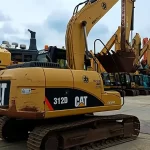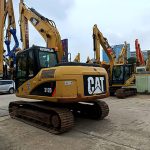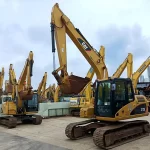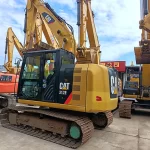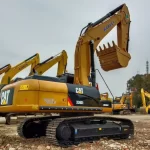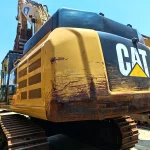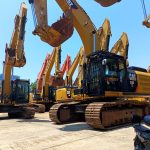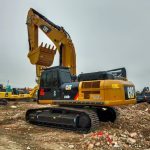
Used excavators are widely used in construction infrastructure, mining engineering and earthwork projects worldwide. For overseas engineering buyers, complete machine inspection, condition testing and fault troubleshooting are the key standards to evaluate the quality, service life and cost performance of second-hand excavators.
Professional used excavator maintenance knowledge can effectively avoid buying accident damaged machines, water-damaged machines and overhauled machines. Regular inspection and maintenance greatly extend the working life of construction equipment and reduce later repair costs.
- Core Inspection of Used Excavator Components
Engine Inspection
The engine is the core component of an excavator. During inspection, check the cold start condition first. A good conditioned engine starts smoothly without white smoke, blue smoke or black smoke and abnormal noise. Inspect engine oil quality, oil pressure and water temperature to rule out cylinder damage, oil burning and internal wear faults.
Hydraulic System Inspection
The hydraulic system controls the working speed and power of the excavator. Check all hydraulic pipelines for oil leakage and seepage. Test the hydraulic pump, control valve, travel motor and swing motor. High-quality used excavators feature stable hydraulic pressure, coherent movements, no power loss and no boom dropping problems.
Chassis and Travel System Inspection
Inspect tracks, track plates, rollers and drive wheels for uneven wear, crack and looseness. Test straight running, steering and climbing performance to eliminate travel deviation and weak walking faults. A well-maintained chassis ensures stable long-term construction performance.
Boom Structure and Cylinder Inspection
Check the main boom, arm and bucket for cracks, deformation and secondary welding. Test oil cylinder sealing performance to avoid oil channeling and automatic boom dropping. Original structure without major welding is the standard of high-quality used excavators.
Circuit and Instrument Inspection
Check full vehicle circuits, sensors and dashboard data. No permanent fault codes and circuit failures ensure continuous construction work without sudden shutdowns.
- Common Fault Troubleshooting for Used Excavators
Used excavators often have common problems such as weak working action, high water temperature, hydraulic oil leakage, walking deviation, unstable idling and boom dropping.
Regular maintenance includes replacing engine oil, hydraulic oil, filter elements and antifreeze, and cleaning the radiator regularly. Timely troubleshooting of minor oil leakage and abnormal noise can prevent expensive major overhauls.