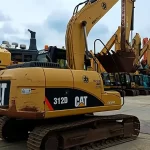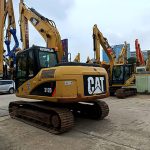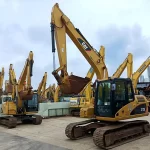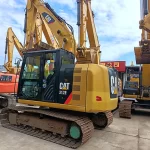
When buying used excavators from overseas, buyers pay close attention to real machine condition. Reliable exporters perform comprehensive pre‑shipment inspection before loading containers, to reduce hidden failures and lower breakdown risks after machine arrives at destination port. Below we list major inspection items for used excavators, helping overseas importers understand inspection standards and verify machine quality.
- Engine System Inspection
The engine is the heart of excavator. Technicians conduct cold‑start test, check starting performance and exhaust smoke color, avoid abnormal blue or black smoke. Inspect engine oil, coolant level, oil‑coolant mixing and fluid leakage. Check turbocharger, belts and hoses for aging or damage. Run engine at idle and high‑speed range, listen for unusual noise and vibration. Check dashboard fault alarms and power output, to prevent oil‑burning or power‑loss issues after arrival.
- Hydraulic System Pressure & Functional Test
Inspect main hydraulic pump, control valve and hose connections for oil leakage. Test boom, arm and bucket cylinder extension‑retraction speed, smooth combined movements and cylinder drift to assess seal condition. Test 360‑degree slewing function without noise or jamming. Check travel motor forward‑reverse performance and track deviation. System pressure is measured and compared against OEM specifications, ensuring sufficient hydraulic power and avoiding weak digging or slow movements on‑site.
- Structural Parts & Working Attachment Check
Thoroughly inspect boom, arm and bucket for cracks or previous welding repair marks. Check pin and bushing clearance; excessive play indicates heavy wear. Examine main frame and connection points for deformation or cracks, to guarantee structural safety under heavy‑load construction.
- Undercarriage & Travel System Inspection
Undercarriage means high maintenance cost, so it is one key inspection area. Check track shoe wear and bolt condition; inspect rollers, carrier rollers, idlers and sprockets for oil leakage or damage. Adjust track tension properly. Run travel test with no load, check smooth movement and final‑drive status. Undercarriage wear level will be clearly reported for buyers to evaluate future spare‑part investment.
- Cabin, Electric Components & Instrument Panel
Check monitor, hour meter and fault codes. Test joysticks, foot pedals, lights, horn, backup alarm and air‑conditioning system. Inspect wiring harness aging and battery voltage. Verify nameplate, machine serial number and engine number are clear and readable for destination‑port customs clearance.
- Leakage Check, Appearance & Safety Items
Full‑machine walk‑around inspection for oil and water leakage. Check hydraulic hoses for bulging and cracks. Test safety items including safety belt and safety lock. Machine will be cleaned before container loading. All export documents are double‑checked to match model and serial numbers for smooth customs clearance.
- Full No‑Load Dynamic Test
Complete no‑load operation cycle: boom lifting, bucket curling, slewing and traveling, simulating real‑site working status. Test videos and multi‑angle photos will be provided for overseas customers to review machine performance remotely.
Note: Pre‑shipment inspection covers visible and testable defects. Used equipment comes with natural wear and cannot reach brand‑new performance. Buyers are suggested to request test videos and detailed photos for full condition evaluation.
All our export‑bound used excavators go through full pre‑shipment inspection. Test videos and real‑world photos are available. Complete export documents are provided and worldwide sea shipment is supported. Contact us for machine selection and quotation.